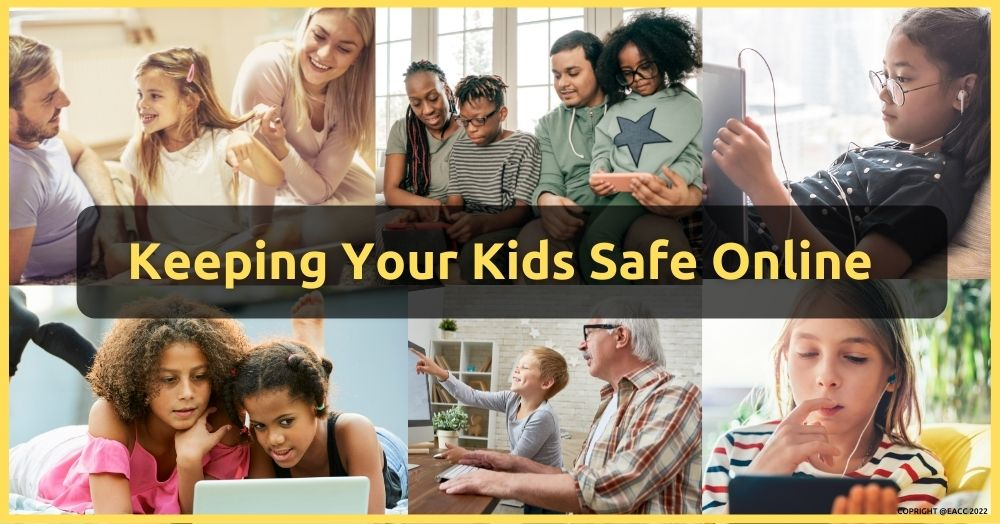
How to Keep Your Kids Safe on the Internet
In this two-minute read, we look at ways to safeguard your kids online.
The internet is a weird and wonderful place. Where else can you find answers to complex questions in seconds, or see pics of your mate’s terrible 1992 hairstyle in a few clicks?
Love it or hate it, many of us spend hours a day online, browsing, posting, reading, and downloading. And that includes our kids.
On 8 February, it’s Safer Internet Day – a campaign designed to make the internet a better place for kids. Here are some safeguarding ideas.
1) Talk about their online life
Most kids have no idea what life was like without the internet and have always been connected. So, it’s important to differentiate between their online and offline world, and to take a genuine interest in both.
Ask about their online activities – what they like to watch on YouTube, online games they play, favourite apps, recent posts on social media. You need to be aware of how they’re communicating and with whom. Remind them that not everyone is who they say they are online and why this could be dangerous.
2) Understand online games
There are endless games and devices your child can play on; it can feel quite overwhelming. And while these games offer hours of fun, there are various issues you should be aware of such as age ratings, in-game purchases, talking to strangers, and bullying.
Get familiar with your child’s game and always check what age group it’s aimed at. Lots of games have settings that allow you to control features such as chat functions, purchases, and private messages. Decide what is appropriate for your child.
3) Set screen time limits
How many of us sit on our phones when we’re supposed to be doing something else? Mindless scrolling is something we’re all guilty of, and if we do it, our kids will, too. If you’re worried about how much time your children are spending online, draw up a family agreement of how much time you’re each allowed online and at what times of day.
4) Supervise
This may be difficult when you’ve got teenagers, but with younger children, it’s important to monitor what they’re watching online. Worryingly, you’re often just a few clicks away from inappropriate content, so make sure younger children use their screens while you’re present and don’t let them take their screens into their bedrooms in the evenings.
Check out the Safer Internet Day site for lots of other useful resources.
From all of us at MECS let’s keep our kids safe online.